
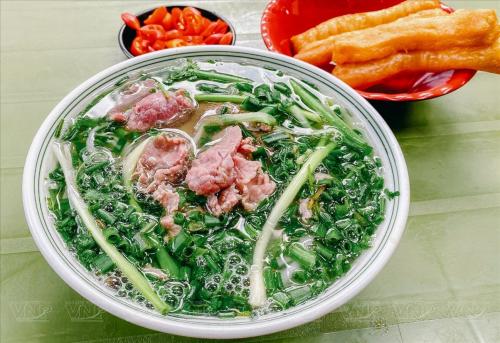
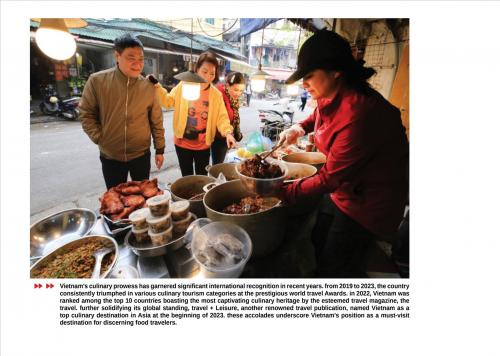
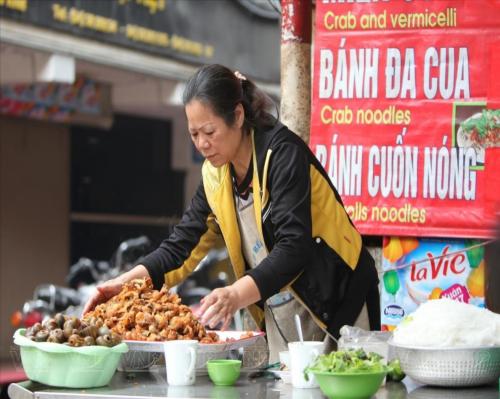
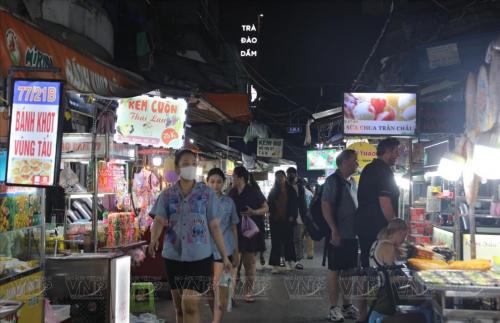
Hanoi's street food has long been popular among both local and international visitors, not only for its delicious and enticing dishes but also for its unique dining spaces. Hanoi's cuisine has garnered widespread acclaim from numerous international publications, including CNN, The New York Times, The Guardian, and National Geographic. Among its iconic dishes, Pho stands out as a quintessential symbol of Vietnamese gastronomy. Emerging in the early 20th century, Pho is deeply intertwined with Hanoi's culture and history. In its early days, it was carried through the streets by vendors, becoming an integral part of the city's vibrant culinary landscape.
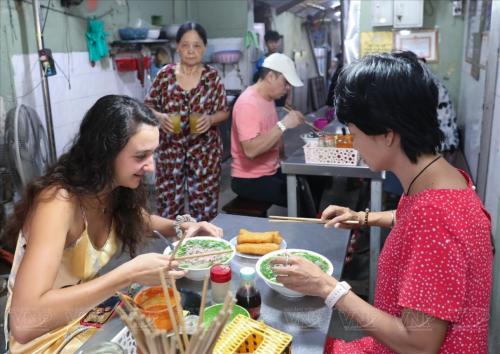
In modern Hanoi, prioritizing food safety and maintaining street order has led to a shift away from the traditional model of street vendors. Today, numerous dedicated Pho eateries have taken their place, offering a more controlled and hygienic environment. Iconic establishments like Pho Ly Quoc Su, Pho Bat Dan, Pho Thin, and Pho Tu Lun have become synonymous with the city's rich street food heritage. Pho is readily available throughout the day in nearly every corner of Hanoi. For a modest sum of 2-3 US dollars, visitors can savor a steaming, aromatic bowl of Pho while immersing themselves in the vibrant pulse of the capital's streets.
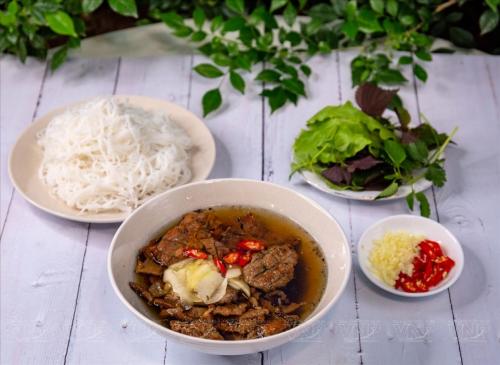
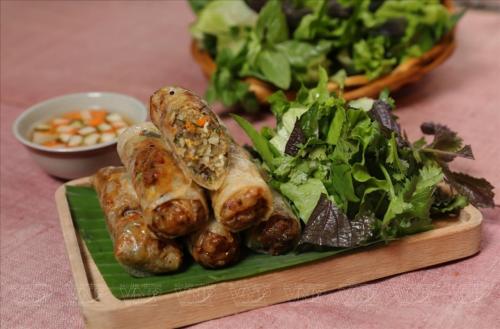
"In addition to Pho, Bun cha (grilled pork with rice noodles) and Nem ran (fried spring rolls) are two other quintessential dishes that characterize Hanoi's culinary identity. These dishes achieved international prominence when former US President Barack Obama and the acclaimed chef Anthony Bourdain dined together at a modest Hanoi eatery during their visit.
Bun cha is a versatile dish that can be savored at any time of day. It's readily found in the alleyways and on the street corners throughout Hanoi. The allure of Bun cha lies in its irresistible flavors. The grilled pork patties, marinated to perfection and cooked over an open flame, are served with a harmonious blend of sweet and sour dipping sauce. This delightful combination is further enhanced by the addition of crisp, refreshing papaya and carrot slices.
Hanoi also offers a diverse array of affordable street food delights, including xoi (sticky rice), Banh mi, Banh gio, Banh goi, Banh cuon, Banh tom, a variety of Bun, Chao suon, and the famous Ca phe trung (egg coffee). For as little as one US dollar, savor a delectable and satisfying meal, such as a customizable Banh mi overflowing with fresh ingredients like pate, eggs, pork, chicken, or char siu, sold at street-side carts around the city.
Hanoi's street food is more than just a culinary experience; it's a cultural immersion. It offers visitors a unique window into the city's rich traditions, character, and the very soul of Hanoians in particular and Vietnamese people in general. For many travelers, delving into the vibrant street food scene is one of the most rewarding ways to connect with the life and spirit of this thousand year-old capital, providing a rapid and enjoyable means of understanding its essence.
While the cuisines of Hanoi exemplify the refined and sophisticated palates of the North region, Saigon's culinary landscape embodies the essence of southern Vietnamese food – characterized by its simplicity, approachability, and deep connection to everyday life.
Take Com tam, for instance. Initially a humble dish born from the necessity of utilizing broken rice grains, it quickly gained popularity. People discovered that these smaller grains were not only convenient to eat but also served as a versatile canvas for a myriad of accompaniments. Over time, Com tam transcended its humble origins, evolving into a beloved and ubiquitous dish, reflecting the pragmatic spirit and resourcefulness of southern Vietnamese cuisine.
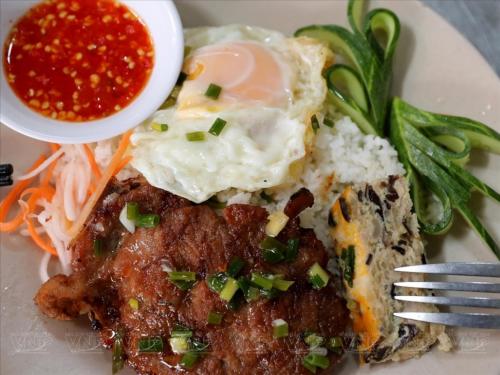
Today, Com tam utilizes high-quality broken rice, a far cry from its humble origins as a dish made from leftover grains. It is typically served with a delectable array of accompaniments, including succulent grilled pork ribs, shredded pigskin, savory scrambled or fried eggs, tangy pickled vegetables, and a rich, savory dipping sauce.
The presentation of Com tam is as iconic as its flavors. The sight of a smoky grill laden with sizzling pork ribs, alongside a steaming bowl of soup and a fragrant plate of Com tam is a quintessential image of Vietnamese street food culture, evoking a sense of both culinary delight and cultural vibrancy Com tam has evolved from its humble beginnings as a street food into a cherished specialty served in a variety of settings, from casual eateries to upscale restaurants and hotels, catering to diverse palates. Famous Com tam eateries in Ho Chi Minh City, like Com Tam Phuc Loc Tho, Com Tam Suon Ba Cuong, Com Tam Moc, Com Tam Cali (all in District 1), Com Tam Nguyen Van Cu (District 5), Com Tam 3 Ghien (District 3) have become popular food destinations for both locals and tourists.
In addition to Com tam, another famous dish in Ho Chi Minh City is Banh xeo (Vietnamese pancakes). The preparation of Banh xeo is relatively simple. A thin rice flour batter is poured onto a hot pan, sizzling and crisping into a goldenbrown shell. This delectable canvas is then generously filled with a savory medley of bean sprouts, pork, shrimp, and other delectable ingredients. The result is a symphony of textures and flavors - the crispiness of the pancake, the tenderness of the fillings, and the vibrant burst of fresh herbs. The hot, crispy pancakes are served with fresh herbs and tangy fish sauces dip, offering a deliciously rich and crispy bite.
 Image
Image 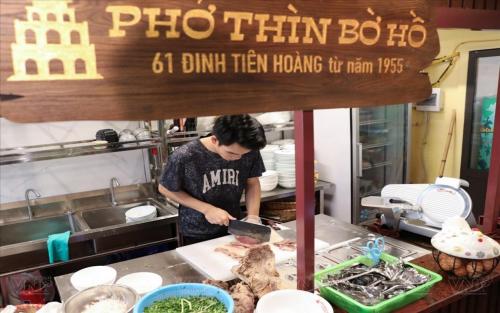




Foreign Affairs Office, The Government Public Relations Department
9 Rama VI Road, Bangkok 10400, Thailand
Tel : (+66) 2618 2323


