


On 4 December 2024 at 20.00 hr (Thailand time), the United Nations Educational, Scientific, and Cultural Organization (UNESCO) approved the inscription of kebaya, the shared intangible cultural heritage of five countries, namely Brunei Darussalam, Indonesia, Malaysia, Singapore, and Thailand, on the Representative List of the Intangible Cultural Heritage of Humanity. The declaration of kebaya’s inscription came right after that of Tomyum Kung of Thailand, which is considered the fifth for Thailand. UNESCO had earlier listed Khon, a masked dance drama in Thailand; Nuad Thai, traditional Thai massage; Nora, a dance drama in southern Thailand; and Songkran in Thailand, a traditional Thai New Year Festival.
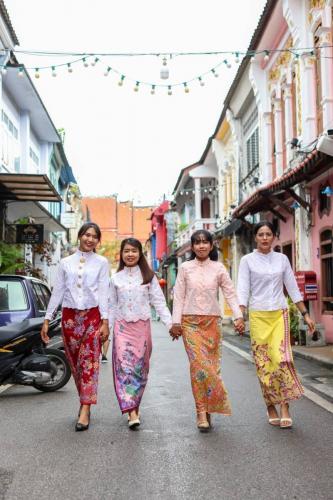
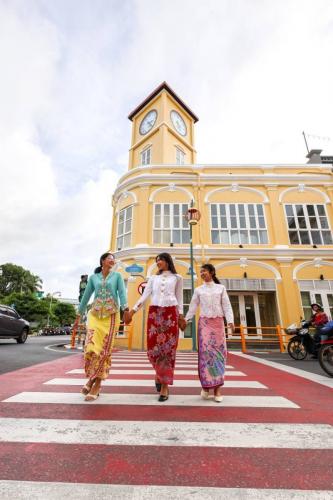
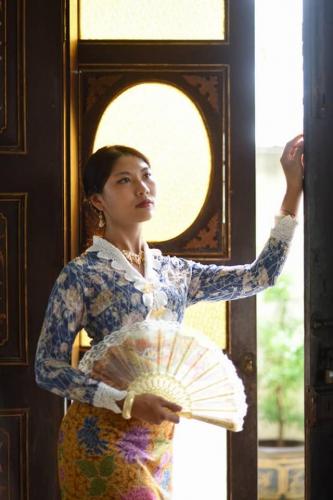
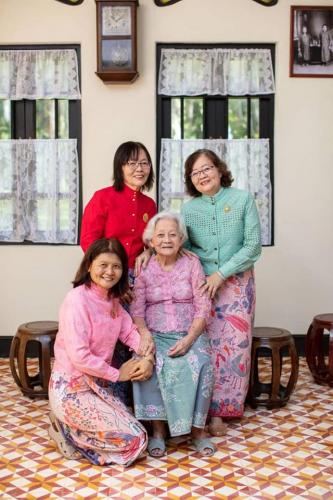
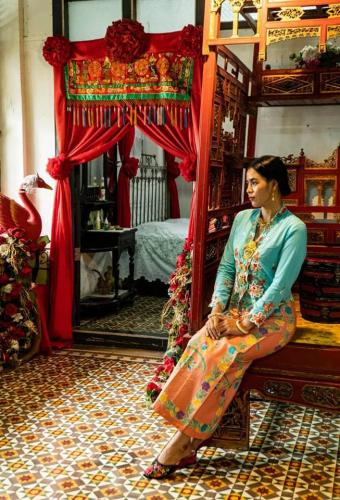
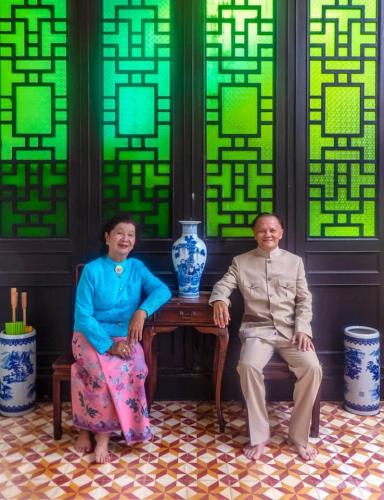
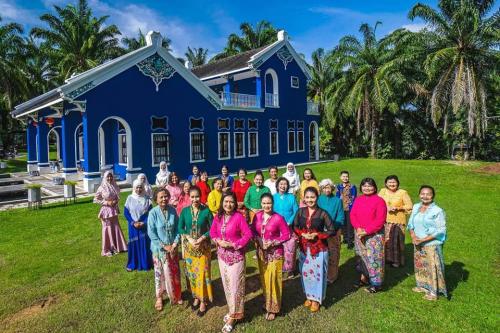
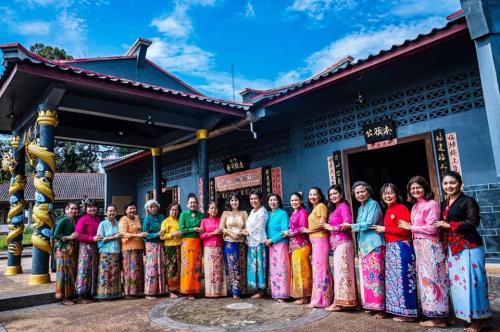
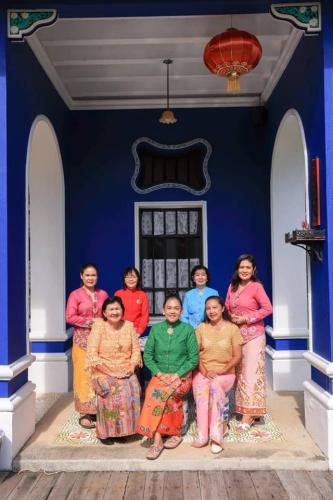
A kebaya is a woman’s blouse with an opening in the front. It is characterized by decorations with intricate embroidery and lace and is worn with fasteners. It can be worn with a matching sarong or bottom cloth. It is part of everyday clothing on general occasions as well as on official occasions and festivals. Kebaya involves women of all ages, backgrounds, and religions from various communities in many Southeast Asian countries, especially in Brunei Darussalam, Malaysia, Indonesia, Singapore, and southern Thailand.
To celebrate this joyful occasion, the Ministry of Culture has organized the celebration for the inclusion of Tomyum Kung and kebaya on UNESCO’s Representative List of the Intangible Cultural Heritage of Humanity, from 6 to 8 December 2024 at EmQuartier Department Store, Bangkok. During the event, there will be a kebaya fashion show, a demonstration of making Tomyum Kung, and a kebaya embroidery exhibition and demonstration.

 Image
Image 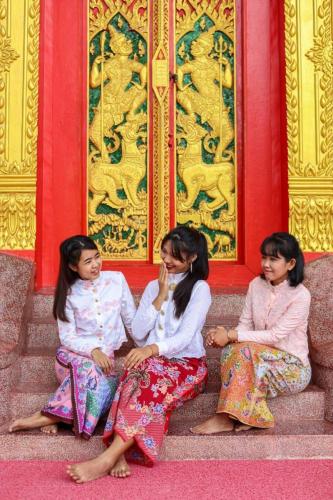




Foreign Affairs Office, The Government Public Relations Department
9 Rama VI Road, Bangkok 10400, Thailand
Tel : (+66) 2618 2323


