


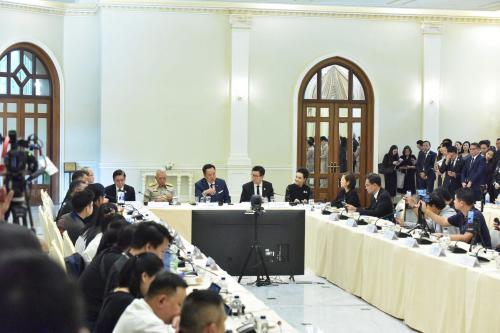
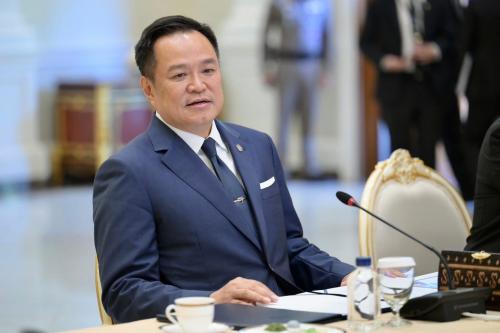
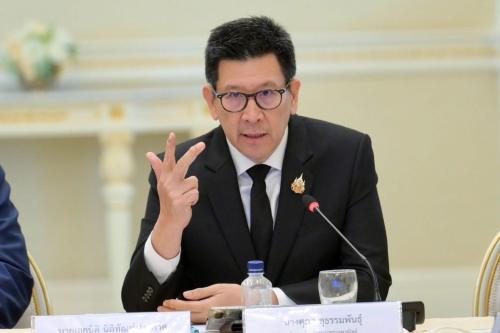
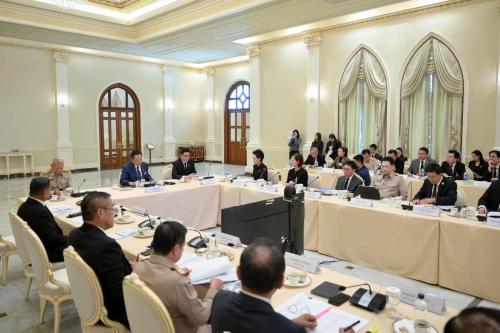
Prime Minister Anutin Charnvirakul has convened a high-level meeting with key ministries and security agencies to assess the impact of ongoing tensions in the Middle East and to prepare comprehensive response measures to assist Thai nationals and protect national interests.
The Ministry of Foreign Affairs confirmed close coordination with Thai embassies across affected areas, including Iran, Israel, the UAE, Bahrain, Qatar, and Kuwait. Embassies are in direct contact with Thai communities there and stand ready to facilitate evacuation when requested. Contingency plans include land transit to neighboring safe zones and coordination for repatriation flights, if necessary.
The Secretary-General of the National Security Council reported enhanced domestic security monitoring, including surveillance of sensitive locations, embassies of concerned countries, and related activities within Thailand. Relevant agencies are also monitoring online misinformation to prevent public confusion and panic.
The Ministry of Energy reaffirmed that Thailand’s energy security remains stable. The country maintains sufficient crude oil and fuel reserves—approximately 60 days of supply—and the Oil Fuel Fund is prepared to cushion short-term price fluctuations. While global oil prices are rising modestly, overall supply remains adequate, and authorities are prepared to secure alternative sources, if required.
The Ministry of Finance assessed that financial and capital markets remain stable, supported by strong international reserves of nearly USD 300 billion. Measures are being prepared to mitigate short-term economic volatility and manage inflationary pressures.
The Ministry of Commerce outlined six key measures, namely (1) controlling prices of essential goods, (2) securing alternative supply chains, (3) supporting exporters, (4) managing logistics, (5) operating a 24-hour hotline (1169), and (6) closely monitoring inflation impacts.
The Ministry of Labor has established a rapid response center to monitor Thai workers in affected countries, particularly in Israel and Iran, and it stands ready to facilitate their safe return should the situation escalate.
The Ministry of Transport reported flight disruptions at several airports and confirmed that airlines are responsible for passenger care, including accommodation and rebooking arrangements.
The Ministry of Industry is monitoring potential indirect impacts on energy costs, raw materials, logistics, and SMEs, and is also preparing mitigation measures to maintain Thailand’s industrial competitiveness.
The Government emphasized that while impacts are being closely monitored, the overall situation remains manageable. Thailand is taking proactive steps to reduce risks, maintain stability, and identify strategic opportunities amid shifting global dynamics.
 Image
Image 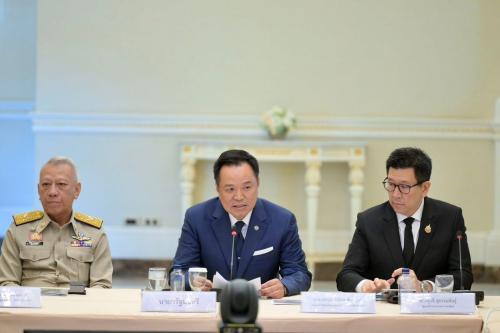





Foreign Affairs Office, The Government Public Relations Department
9 Rama VI Road, Bangkok 10400, Thailand
Tel : (+66) 2618 2323


