
A plant in the fern family, yan lipao is a climber vine found in abundance in southern Thailand. As its stem is very tough, strong, and durable, this vine is traditionally made into intricate basketry. Nakhon Si Thammarat Province was famous for its yan lipao wickerwork products during the reign of King Chulalongkorn (Rama V).
Yan lipao crafts slowly faded from popularity in later times, and it became increasingly difficult to find skilled craftsmen, as the production process is quite complicated, and each stage of the process takes a long time. Although yan lipao is a local vine plentiful in forests in the South, the general neglect meant that the delicate wickerwork found ever fewer users.
Not until Her Majesty Queen Sirikit The Queen Mother changed her annual residence to Daksin Palace in Narathiwat Province and chanced upon the yan lipao vine, would the once-famed style of basketry begin to find a new life.
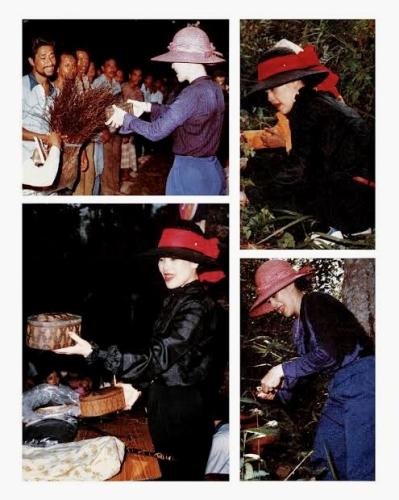
After the construction of Daksin Palace in 1973, Her Majesty Queen Sirikit learned that the yan lipao vine grew wild and in abundance in the area. Her Majesty then initiated a yan lipao weaving group in Narathiwat. Teachers were brought from Nakhon Si Thammarat to provide training. It was then discovered that small groups of Muslim Thais had been weaving yan lipao for a long time, so several groups of weavers were set up.
Later, Her Majesty considered yan lipao another part of the national heritage that must not be allowed to disappear. Then, yan lipao weaving became a skill also taught at the SUPPORT Training Center within Chitralada Villa.
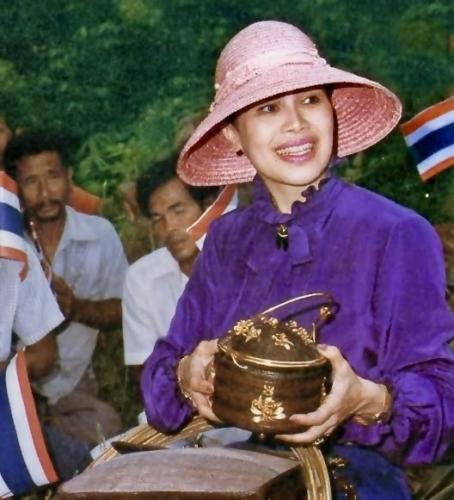
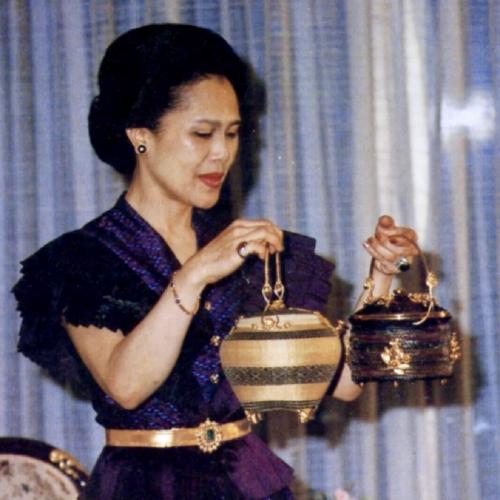
Yan lipao has proved to be an ideal material for ladies’ handbags, and a wide selection of shapes, sizes, and patterns are found to be suitable for many occasions. Her Majesty created a revival of interest by carrying beautiful evening bags woven from yan lipao vines.
Today, yan lipao products have become widely popular, and are regarded as stunning, exquisite items admired by all the world. Greater value has also been added to simple local materials. It brings a sizable income to artisans and local people, who will in turn take care that the forests and yan lipao vines are kept in good condition, as one of the country’s local treasures.
 Image
Image 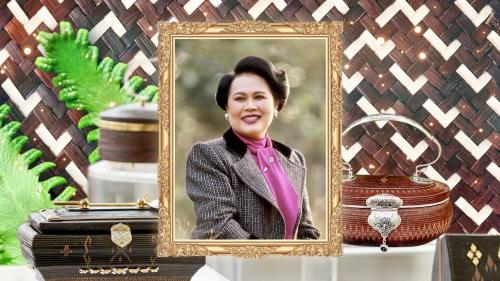




Foreign Affairs Office, The Government Public Relations Department
9 Rama VI Road, Bangkok 10400, Thailand
Tel : (+66) 2618 2323


