
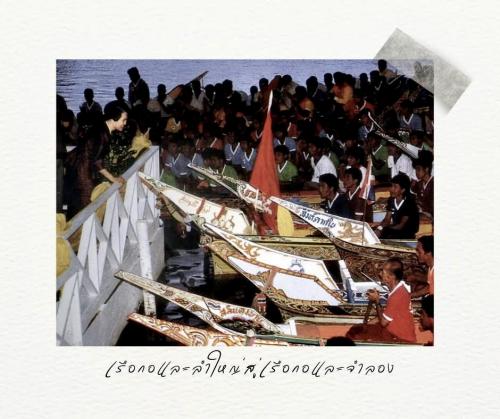
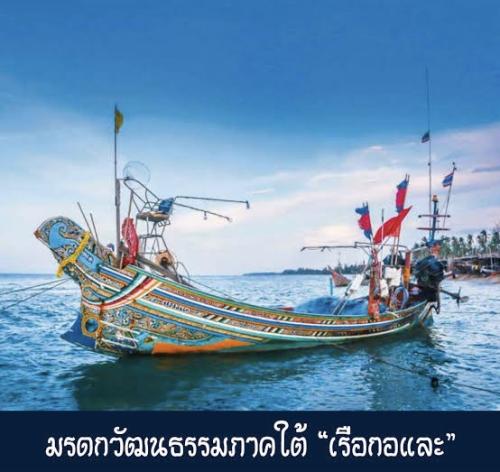
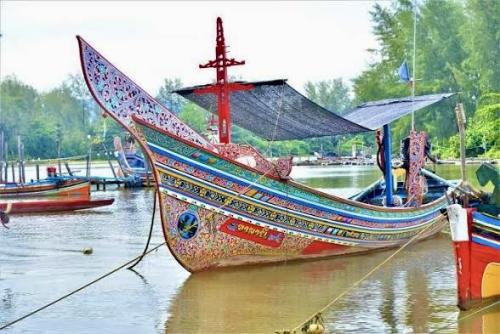
Amidst the waves of the lower Gulf of Thailand, particularly in Narathiwat and Pattani provinces, glides a traditional fishing vessel known as the "Kolae boat." One of the most beautiful boats in Thailand, this vessel is far more than a fisherman’s tool; it is a floating canvas of southern cultural heritage, blending artistic traditions of Buddhist and Muslim Thais.
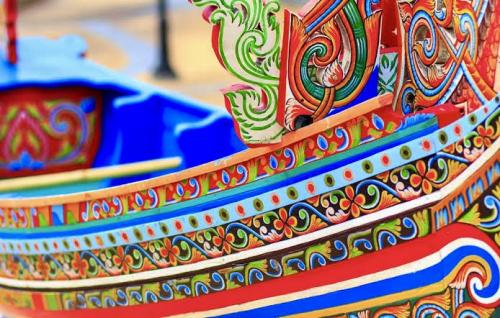
The boat features a strikingly pointed bow and stern, and traverses the water powered by sails and oars. It is distinctively decorated with intricate, vibrant, and colorful designs, serving as a fusion of Malay-Islamic artistic heritage and Thai art.
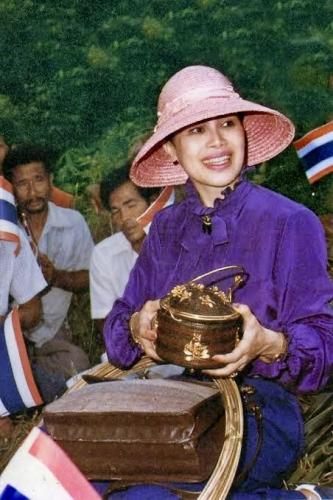
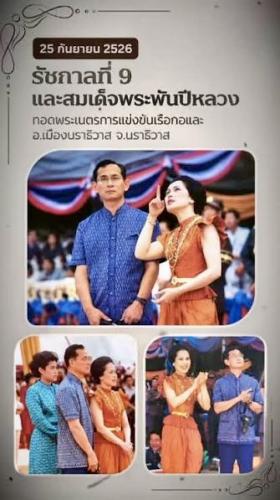
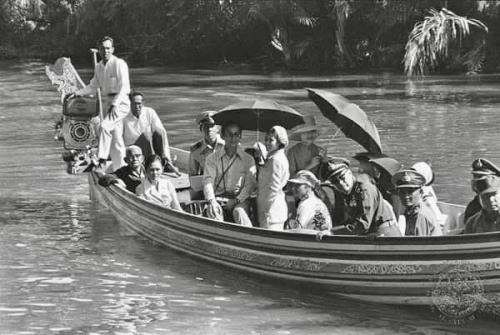
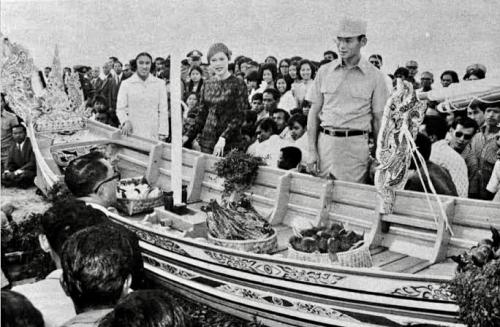
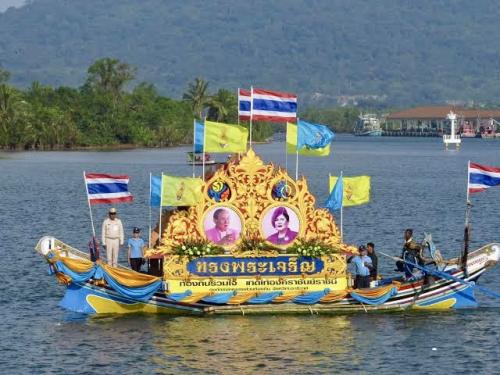
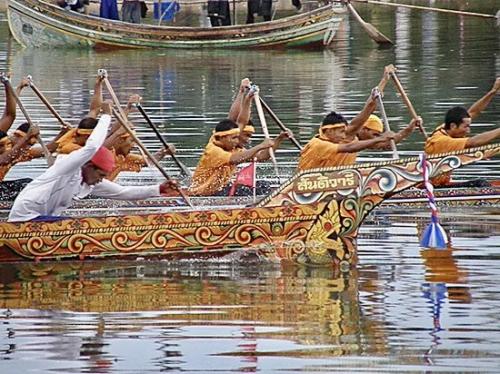
As modern fishing vessels gradually replaced traditional wooden boats, the intricate craftsmanship of Kolae boat-making, woodcarving, and painting faced the threat of fading away. During the royal visits of Her Majesty Queen Sirikit The Queen Mother to Narathiwat Province, Her Majesty observed the annual Kolae boat races and was deeply captivated by the graceful form and artistic heritage of these vessels.
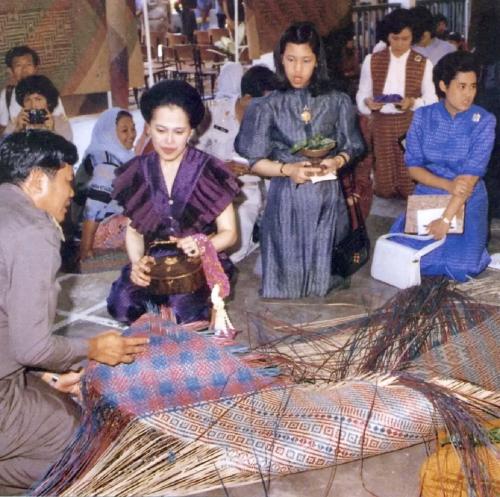
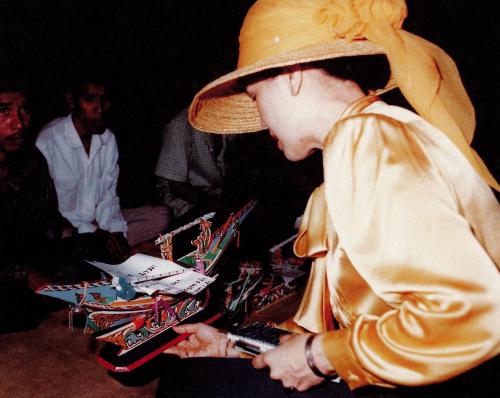
Recognizing their cultural significance, Her Majesty in September 1983 initiated a project to support local Kolae woodcarving artisans in Narathiwat. Under the Foundation for the Promotion of Supplementary Occupations and Related Techniques (SUPPORT Foundation), the Queen encouraged villagers to craft miniature Kolae boats as fine souvenirs and collectibles, preserving traditional techniques while adapting them for modern appreciation.
The royal initiative breathed new life into southern artisanal skills. Making a beautiful Kolae requires a meticulous touch and fine workmanship. With its decorative designs, the Kolae boat – when it travels out to sea – is seen as a work of art floating on the endless waves. During the monsoon season when fishing is difficult, local fishermen and artisans can rely on crafting miniature Kolae boats as a steady source of supplementary income.
Through the visionary compassion of Her Majesty Queen Sirikit The Queen Mother, the Kolae boat continues to sail forward – not just across the sea, but as an enduring legacy sustaining both the livelihoods and cultural identity of the southern Thailand, which is recognized as a land of rich cultural diversity.
 Image




Foreign Affairs Office, The Government Public Relations Department
9 Rama VI Road, Bangkok 10400, Thailand
Tel : (+66) 2618 2323


