
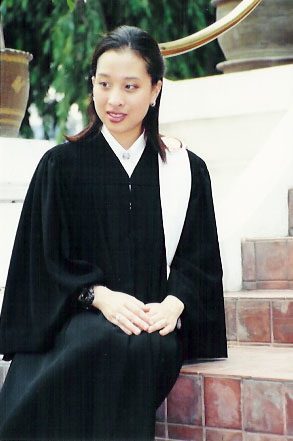
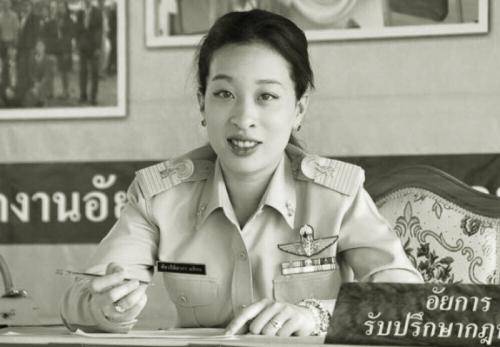
Known as the "Law Princess," Her Royal Highness Princess Bajrakitiyabha Narendiradebyavati Kromluangrajasarinisiribajra Mahavajrarajadhita was recognized for not only her expertise in legal affairs but also her intention to develop the justice process.
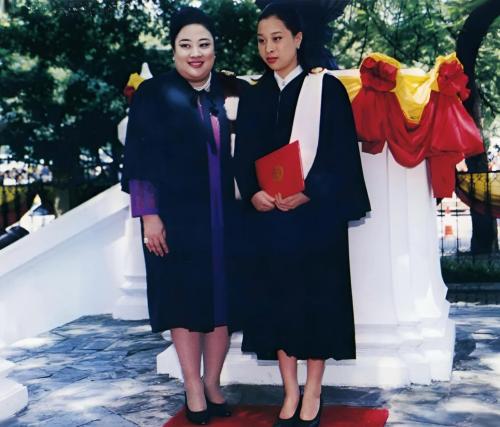
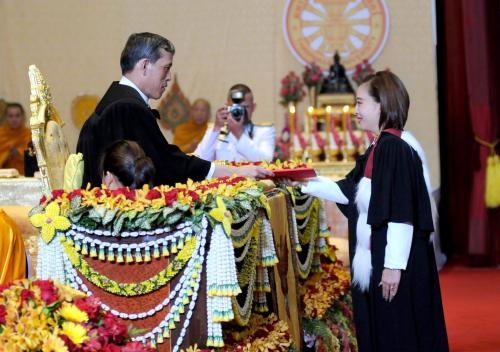
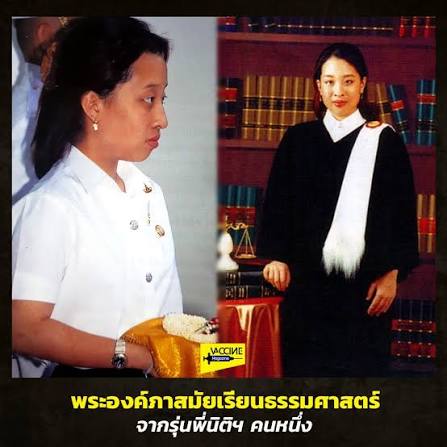
Her Royal Highness received her LL.B. degree (Second-Class Honors) from the Faculty of Law, Thammasat University, and a B.A. in Political Science (First-Class Honors) from Sukhothai Thammatirat Open University. The Princess also obtained Barrister-at-Law from the Thai Bar Association. She undertook graduate studies at the famous Cornell University in the United States, where she obtained a master’s and Doctor of Law degrees from the Law School.
Her Royal Highness worked as public prosecutor both in Bangkok and several provinces. She showed great interest in helping female inmates, and also paid visits to women’s penitentiaries. The Princess was particularly eager to assist pregnant convicts and inmates with infants. Therefore, in 2006, Her Royal Highness set up the “Inspire (Kamlangjai) Project,” aimed at providing moral support, basic healthcare, and opportunities for social reintegration of women prisoners.
In order to have individuals of good disposition return to society, the Princess offered encouragement to repentant female convicts by arranging for instruction on how to take care of themselves and their children by acquiring skills in various occupations. In this manner, once released from prison, the former inmates would be well equipped and ready to start a new life.
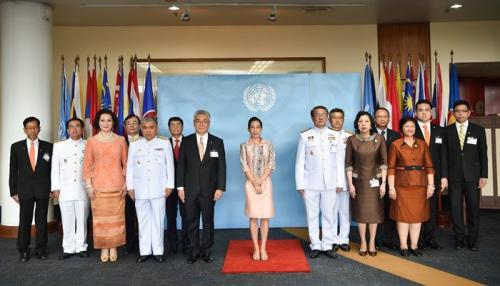
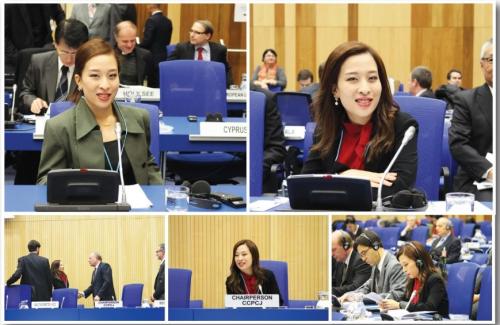
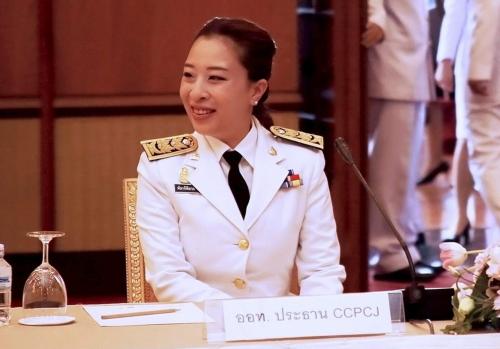
In April 2009, at the 17th Commission on Crime Prevention and Criminal Justice held in Vienna, Austria, Her Royal Highness, leading the Thai delegation, tabled the topic “Enhancing Lives of Female Inmates (ELFI).”
ELFI was Thailand’s draft proposal “United Nations Rules for the Treatment of Women Prisoners and Non-custodial Measures for Women Offenders,” also known as the Bangkok Rules, to draw the world’s attention to the specific needs of female prisoners. Their needs are different from those of male prisoners, which were enshrined under the 1955 United Nations Standard Minimum Rules for the Treatment of Prisoners, but which are deemed inadequate for women.
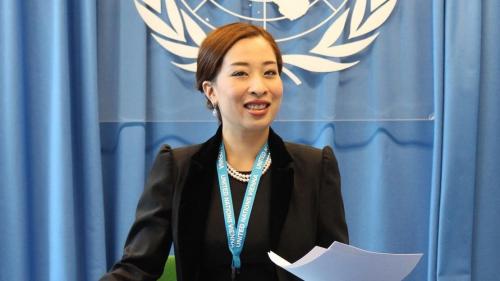
The project, initiated by Her Royal Highness, had the specific objective of proposing new United Nations rules on the treatment of women prisoners around the world, so that their lives and rights, even during their darkest days, can be improved. The project was adopted by consensus at the 65th Session of the United Nations General Assembly in 2010.
 Image
Image 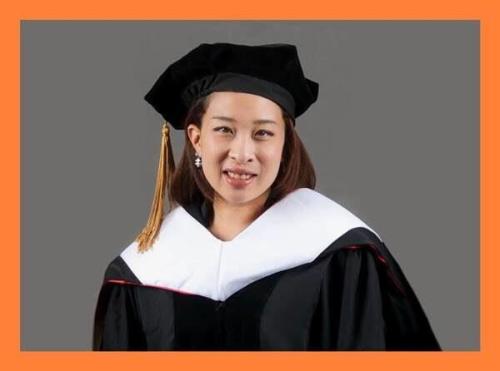








Foreign Affairs Office, The Government Public Relations Department
9 Rama VI Road, Bangkok 10400, Thailand
Tel : (+66) 2618 2323


