
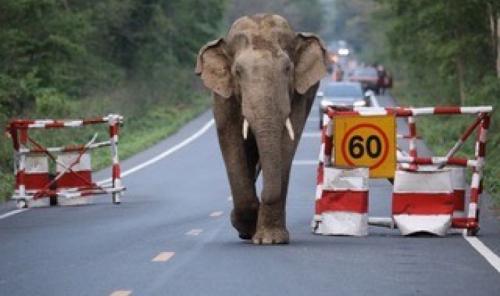
Listed as an endangered species, the Thai elephant is regarded as a symbol of the country. Thai people have lived in harmony with elephants as both working partners and friends for a long period of time. Unfortunately, because natural forest resources and food supplies are on the decline, elephants are forced to encroach upon farmlands in search for food. This situation poses risks to the lives of both humans and elephants.
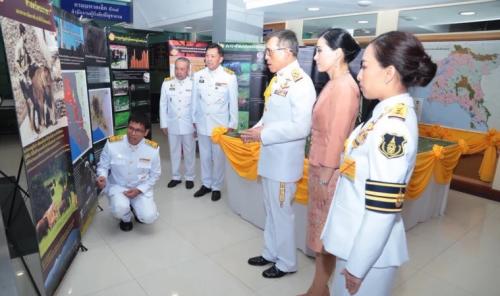
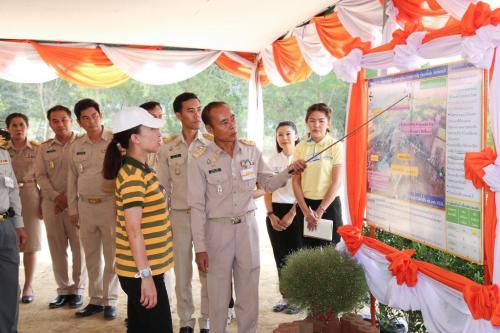
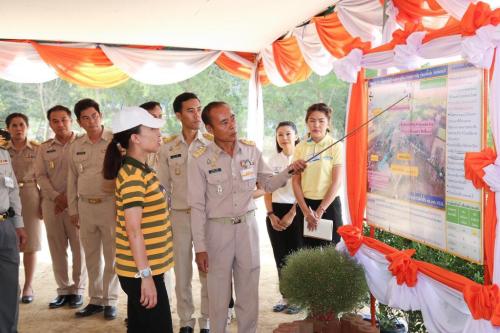
Her Royal Highness Princess Bajrakitiyabha Narendiradebyavati Kromluangrajasarinisiribajra Mahavajrarajadhita played a leading role in promoting harmonious coexistence between humans and elephants through royal activities concerning the Bajrasudha Kajanurak Project.
This project originated from the concern shared by His Majesty King Maha Vajiralongkorn Phra Vajiraklaochaoyuhua and Her Majesty Queen Suthida Bajrasudhabimalalakshana, having learned of the conflicts between local communities and wild elephants. particularly in the five eastern provinces of Chachoengsao, Chon Buri, Rayong, Chanthaburi, and Sa Kaeo. Their Majesties were concerned for the local residents, as their farmlands had been destroyed by wild elephants.
In order to tackle this problem, Their Majesties initiated the Bajrasudha Kajanurak Project and appointed Her Royal Highness Princess Bajrakitiyabha as chair of the committee on the project, which was accepted under Royal Patronage on 2 August 2019.
The name of the project means “a royal elixir to strengthen wild elephants.” The main objective of the project focuses on the welfare of both wild elephants and humans, so that they can live together in balance. This project also builds on the lifelong work of His Majesty King Bhumibol Adulyadej The Great and Her Majesty Queen Sirikit The Queen Mother, to resolve conflicts between wild elephants and people, as well as conserving natural resources and improving the living standards for communities adjacent to forests in the five eastern provinces.
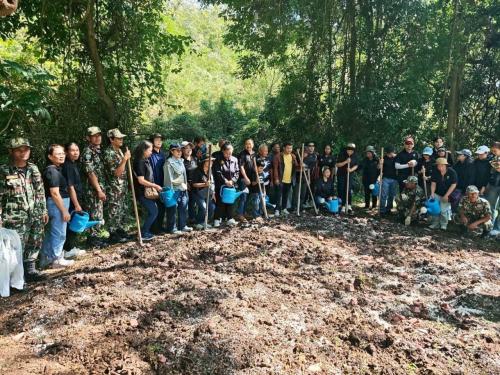
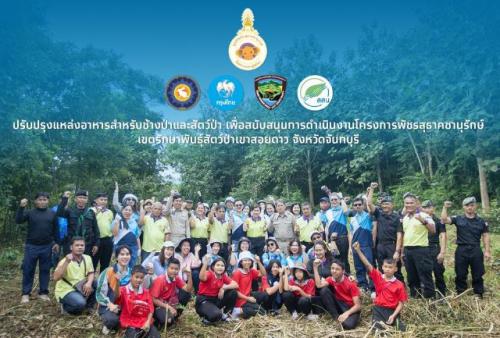
The project was officially registered as the Bajrasudha Kajanurak Foundation on 25 August 2021. The areas bordering forests in the five provinces are divided into three zones to create a sustainable solution for coexistence between humans and wildlife. The zones include (1) the forest conservation area as a natural habitat for wild elephants, with food crops planted for them, (2) the buffer or in-between zone serving as a temporary dwelling area for wild elephants and preventing them from venturing into the local communities, and (3) the community zone focusing on community development.
The implementation of the Bajrasudha Kajanurak Project has made much progress in solving the root causes of the problem in a sustainable manner.
 Image
Image 








Foreign Affairs Office, The Government Public Relations Department
9 Rama VI Road, Bangkok 10400, Thailand
Tel : (+66) 2618 2323


