


The Cabinet has approved the nomination of the Nang Yai shadow play to be inscribed on the UNESCO Register of Good Safeguarding Practices, under the item “Community-based Revitalization of Nang Yai Tradition in Thailand.”
Speaking on 26 March 2026, Minister of Culture Sabeeda Thaised pointed out that it would be the first time for Thailand to submit a nomination in this category to UNESCO. The Cabinet also allowed the Director-General of the Department of Cultural Promotion, in his capacity as Secretary to the Committee on the Promotion and Preservation of Intangible Cultural Heritage, to sign relevant documents to be submitted to UNESCO by 31 March 2026.
Ms. Sabeeda stated that the proposal of Nang Yai this time marks a significant step in using cultural diplomacy to showcase to the world the community values and wisdom of Thailand. In particular, it presents the model of cultural preservation by empowered and sustainable communities.
She explained that Nang Yai is not only a form of performing arts but also living heritage that reflects community empowerment in preserving cultural heritage and passing it down from generation to generation. The international community may learn these good safeguarding practices and adapt them for their performance. The nomination of Nang Yai will also enhance Thailand’s international role in using culture as creative power to promote better undemanding and connect the people of the world.
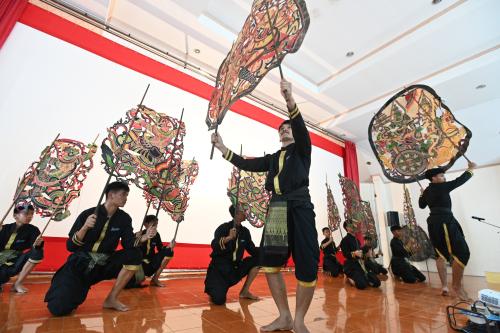
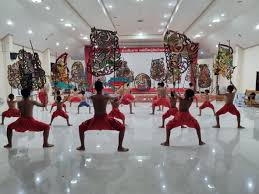
Currently, Nang Yai survives in only three communities, namely Wat Khanon in Ratchaburi Province, Wat Ban Don in Rayong, and Wat Sawang Arom in Sing Buri. The revival of Nang Yai is considered a good model for the preservation of living heritage, ensuring its spread to become better known at local, national, and international levels.
Nang Yai at Wat Khanon in Ratchaburi was awarded recognition as a premier example of intangible cultural heritage preservation by the Asia/Pacific Cultural Center for UNESCO in June 2007. It dates back to the reign of King Chulalongkorn (Rama V) and has become an integral part of the local community's way of life.
This form of traditional shadow puppetry has been performed outdoors in palaces, temples, and villages since the 15th century. Each puppet is carved from tanned cowhide, depicting characters from the epic of Ramakian, the Thai version of the Indian epic Ramayana.
 Image
Image 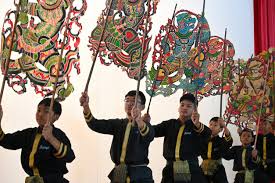




Foreign Affairs Office, The Government Public Relations Department
9 Rama VI Road, Bangkok 10400, Thailand
Tel : (+66) 2618 2323


