


The International Monetary Fund (IMF) on 13 October 2026 released its October 2026 Global Financial Stability Report at the Queen Sirikit National Convention Center in Bangkok during the 2026 IMF-World Bank Group Annual Meetings, hosted by Thailand.
The report warned that while overall global financial conditions remain accommodative, three major risks could trigger abrupt financial tightening: 1) A price correction in tech and artificial intelligence (AI) stocks driven by high leverage; 2) volatility in government bond yields due to inflation pressures and high public debt; and 3) systemic cyber threats targeting financial infrastructure.
Simultaneously, non-bank financial entities – such as hedge funds (assets surging to $13 trillion) and asset tokenization markets – are increasingly transmitting market risks. In Asia, vulnerabilities stem from "zombie companies" (non-financial corporate debt averages 107% of GDP, with 21.4% held by firms unable to cover interest payments for over three consecutive years) and floating-rate mortgage burdens.
The IMF advises regulators to tighten leverage controls on AI investments, set clear digital asset regulations, and instruct banks to adequately provision and address non-performing loans realistically.
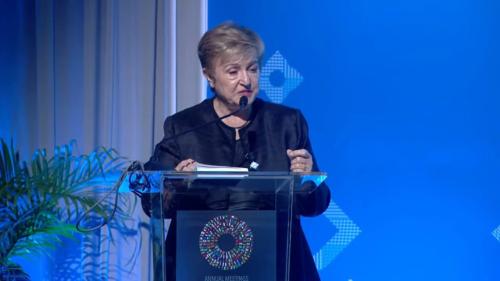
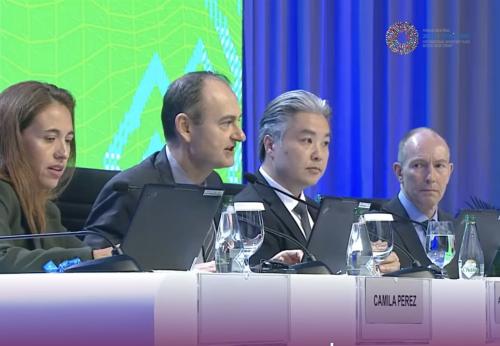
On the same day, the IMF launched its new book, Shaping the Future of Asia, with opening remarks by Ms. Kristalina Georgieva, IMF Managing Director. The event also brought together senior officials and economic experts to exchange views on the opportunities and challenges shaping Asia’s future.
According to the IMF, three key factors shaping Asia’s economic future include 1) demographic change, 2) AI and economic growth, and 3) regional economic integration.
The IMF noted that Asia is expected to contribute 68% of global economic growth in 2026, underscoring the region’s important role in the global economy. However, sustaining long-term growth will require adapting to ongoing changes, ensuring that the benefits of technology are widely shared, and strengthening regional cooperation to build a more resilient and sustainable economic future for Asia.
 Image
Image 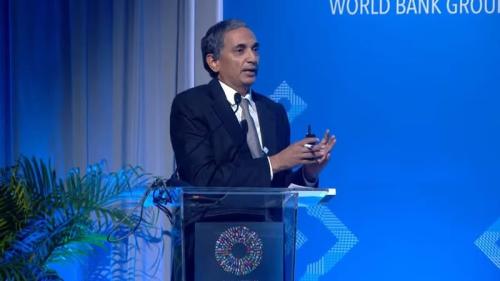






Foreign Affairs Office, The Government Public Relations Department
9 Rama VI Road, Bangkok 10400, Thailand
Tel : (+66) 2618 2323


