

The official visit to Thailand on 13-15 November by Mr. Li Qiang, Premier of the State Council of the People’s Republic of China, offers an opportunity to deepen Thailand-China cooperation in agriculture, industry, workforce development, and security amid growing economic and geopolitical competition.
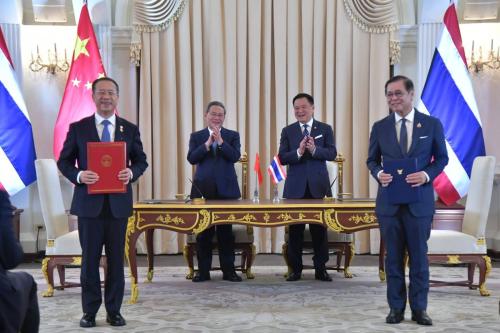
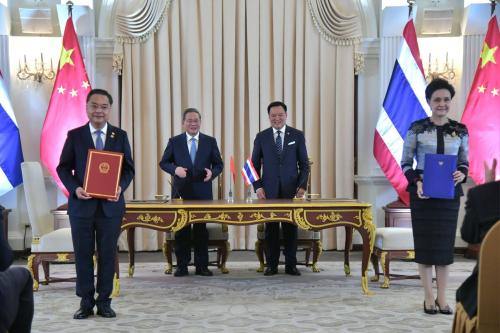
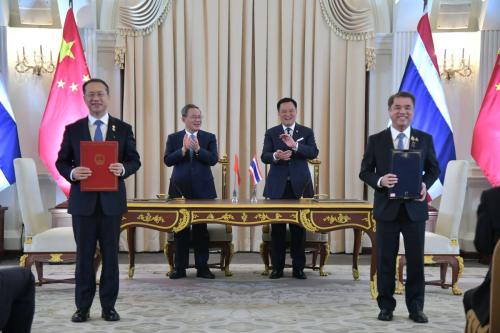
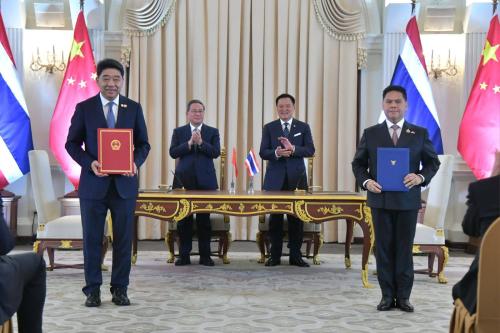
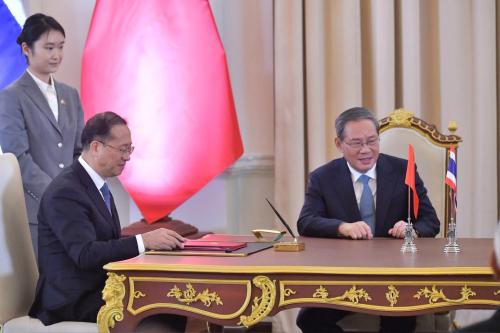
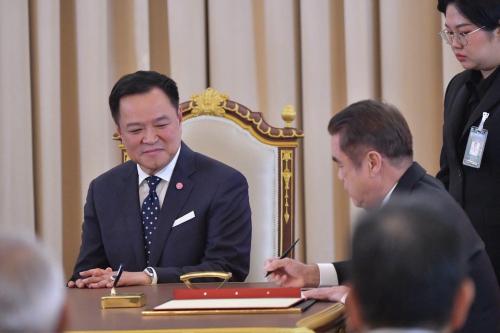
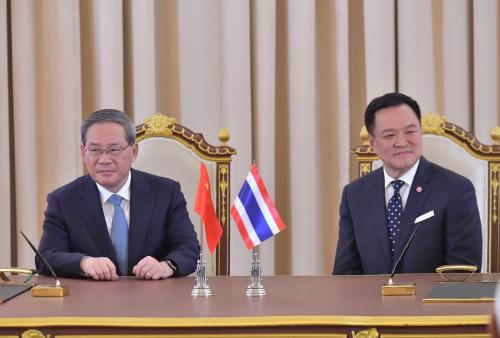
Both sides signed eight cooperation documents on 13 November, when Prime Minister Anutin Charnvirakul and the Chinese Premier witnessed the signing ceremony following a bilateral meeting at Government House. The documents highlight key areas of cooperation, as follows:
1. Durian exports. The revised phytosanitary protocol would strengthen pest controls from orchards to packing facilities. Thai fresh durian exports to China reached 140 billion baht from January to September 2026. The protocol aims to reduce the risk of shipment holds and import suspensions, while border inspections remain required.
2. Exports of fresh Salak fruit. The proposed protocol requirements would open the Chinese market to Salak fruit, potentially generating at least 76 million baht in annual exports. Actual sales will depend on exporter registration, logistics costs, and consumer demand.
3. Food safety. Thailand’s participation in the Belt and Road Initiative Food Safety Cooperation Mechanism would support information sharing and regulatory coordination, potentially easing technical barriers while maintaining food safety standards.
4. Electric vehicles. The draft automotive industry MOU covers investment, trade, innovation, and standards. Its value for Thailand will depend on actual investment, technology transfer, local sourcing, and job creation.
5. Vocational education. The proposed MOU would support training in batteries, electronics, automation, and digital skills, helping Thai workers qualify for jobs in the EV industry.
6. Security cooperation. The draft MOU under the Global Security Initiative focuses on dialogue and coordination in ASEAN and other multilateral forums. Thailand’s ties with the United States, ASEAN partners and others remain important to preserving its policy autonomy.
7. Consular staffing. The Cabinet approved a proposal to lift the 12-person cap at each consulate-general. Future staffing levels would be determined through diplomatic consultations and reciprocity.
8. Legal metrology. This cooperation would elevate standards and the accuracy of legal metrology, which is a fundamental basis of goods trading, and helps reduce trade discrepancies and build confidence for operators and consumers.
 Image




Foreign Affairs Office, The Government Public Relations Department
9 Rama VI Road, Bangkok 10400, Thailand
Tel : (+66) 2618 2323


